Build the figures your manuscript needs
Set up a working AI environment, define safe boundaries, and generate the graphs and posters a journal or congress expects — reproducible, not one-off.
Practical online training · first edition
Not another prompting course: the same AI gives very different results depending on how you work with it. You will learn to use it the way a publishing researcher does — inside a real working environment, no coding required — to turn a clinical question into a finished manuscript or thesis chapter, statistics included.
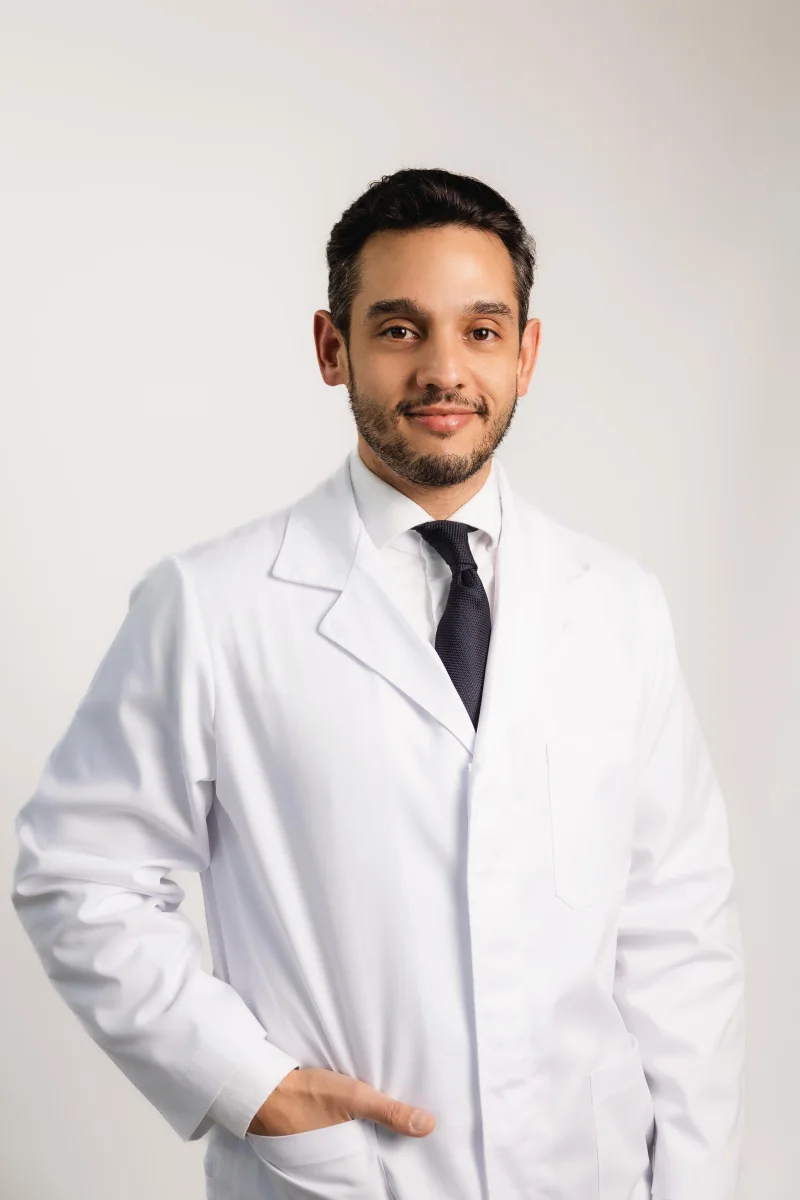
José Daniel Subiela
MD, PhD · Consultant uro-oncologist and clinical professor
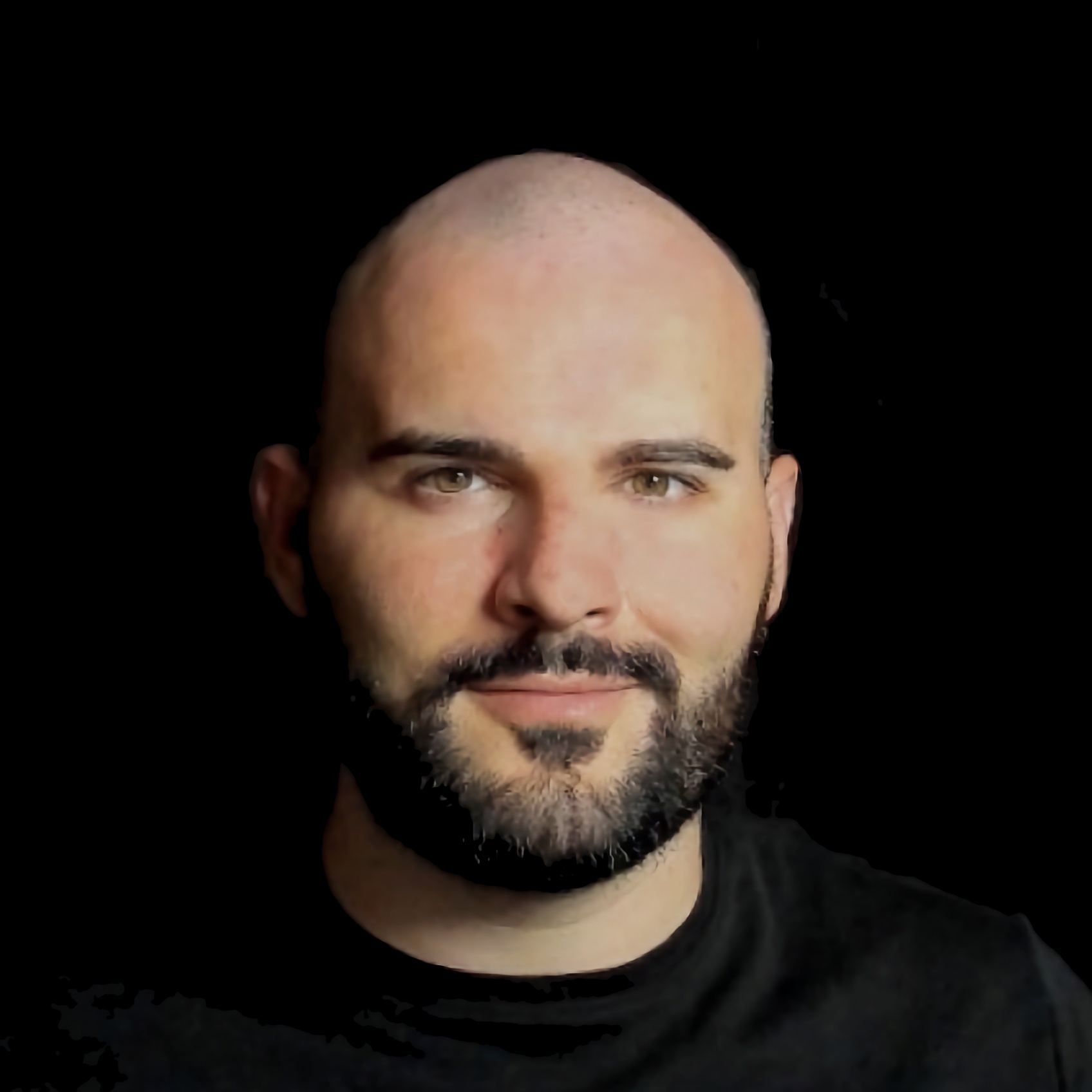
Jesús López
Applied AI, data and instructor
400 € · refundable deposit of 50 €
€400 in total, reserved with a €50 deposit refundable until 30 October · Fri 13 (5–8pm) & Sat 14 November (10:30am–1:30pm) · 15 seats.
Immediate application
Set up a working AI environment, define safe boundaries, and generate the graphs and posters a journal or congress expects — reproducible, not one-off.
Move from a source manuscript to a traceable critical reading, an evidence matrix and a synthesis you can cite directly in your own manuscript.
Build a collection sheet, harmonize sources and get the baseline characteristics table — with the right statistical tests — ready to paste into the manuscript.
Work through survival analysis and surgical learning curves, with explicit validation, bias and interpretation criteria — the statistics behind your discussion section.
Who it is for
You do not need to code: you need a question, judgement in your field and the willingness to work with a verifiable method.
Practising physicians and residents who want to turn clinical questions into structured, reviewable work.
People who review literature, design studies, build registries or prepare data for analysis and publication.
Master's students, PhD candidates and early-career academics developing theses, manuscripts or research projects.
Cases from clinical research and practice
Four demonstrations of the kind of work our most applied participants will walk away able to build, drawn from José's own clinical and research practice.
José frames the clinical question, Jesús builds the workflow with AI, and both review what the system can and cannot conclude.
Network meta-analysis
Three relevant regimens have no single direct trial that answers how they compare in efficacy and safety.
Course program
Two 3-hour sessions (Fri 13 & Sat 14 Nov), each with explanation, guided practice and a reusable deliverable. Every block ends with a piece of your manuscript — a table, a figure set or a synthesis.
Recorded onboarding from 6 Nov, plus daily office hours (9–13 Nov) to unblock setup and questions. All sessions recorded for participants.
Install and configure Claude Code for AI-assisted development
Install and configure Visual Studio Code for AI-assisted development
A collaboration tested on real medical data
José and Jesús were validating models with clinical data before today's AI. The course turns that into a method you can apply without losing traceability or clinical judgement.
Teaching team
MD, PhD · Consultant uro-oncologist and clinical professor
Consultant uro-oncologist and kidney transplant surgeon at Hospital Universitario Ramón y Cajal, and clinical professor at Universidad de Alcalá. His research combines real-world clinical data, biostatistics and artificial intelligence, including survival models, XGBoost and causal inference.
Applied AI, data and instructor
Founder of datons and LinkedIn Learning instructor. Years turning medical data into reproducible analyses, tools and models.
First edition
Registration
Reserve with a €50 deposit, refundable until 30 October and deducted from the €400 price; the €350 balance is due by that date to keep your seat. We work only with synthetic or publication-derived data, never real patient data.