If you’ve invested valuable time developing your Machine Learning model, why not take advantage of it and put it to work calculating predictions in a web calculator?
Check out this example.
This has been the project we developed during the course I taught this weekend to a couple of students.
Here are the conclusions with code references for creating web calculators with any data table.
You already know how to program any algorithm from Machine Learning using the Scikit-Learn library, even without looking on the Internet.
They all follow the same steps.
If they give you a data table, the most important question is: Which variable do you want to predict (y)?
The rest would remain as explanatory variables (X), which you will use to predict the variable of interest.
The variable of interest is commonly called target, although terms like label, or objective are also used.
In the course, you computed several Machine Learning models without looking at the solutions.
You know that the essential thing in this discipline is to select models that best predict future data, avoiding overfitting with the training data.
Congratulate yourself.
Many people finish a Master’s in Data Science (or Artificial Intelligence) without even knowing how to program a Machine Learning model from a blank notebook, without looking on the Internet.
Now, you’ve learned many things in the course, and it’s normal that you don’t remember everything well enough to program it without looking on the Internet.
But you know how to work with the code you have in the materials to adapt it to any other dataset.
You would only have to modify the path to the data file, and the target variable.
Another relevant aspect is the web calculator you programmed.
The vast majority of Machine Learning projects leave the mathematical equation in the notebook.
They don’t bother to use it for business calculations.
For that, you have to export the model to a file and load it into an application.
In other words, what’s known as putting the model into production.
Knowing all this, what should you do now?
Keep practicing by applying the programming disciplines you applied during the course.
Find a dataset that interests you on Kaggle, and develop another web calculator based on a Machine Learning model.
You just have to adapt the steps of this prototype project to your new dataset.
Depending on your level, the dataset you choose should be more or less complex:
- If you’re a beginner, choose a simple dataset. Without many variables and with a clear target variable (on Kaggle they usually give it to you in the dataset description).
- If you already master the steps and feel more confident, choose a more complex dataset.
In this last case, when applying the steps of the prototype project, you may encounter several problems because the data is not clean.
For example, many null values, or variables that are difficult to interpret for the model because expert knowledge from the industry the dataset is about is required.
If you have questions about the dataset you’ve chosen, or how to clean it, don’t hesitate to ask me through the channel I have on Reddit.
I’ll be happy to help you and I respond to all questions I receive in less than 24 hours.
Keep reading
Related articles you might enjoy
You don't understand, you just grasp it
How to differentiate technical professionals who truly understand from those who just grasp concepts: charlatans.
Read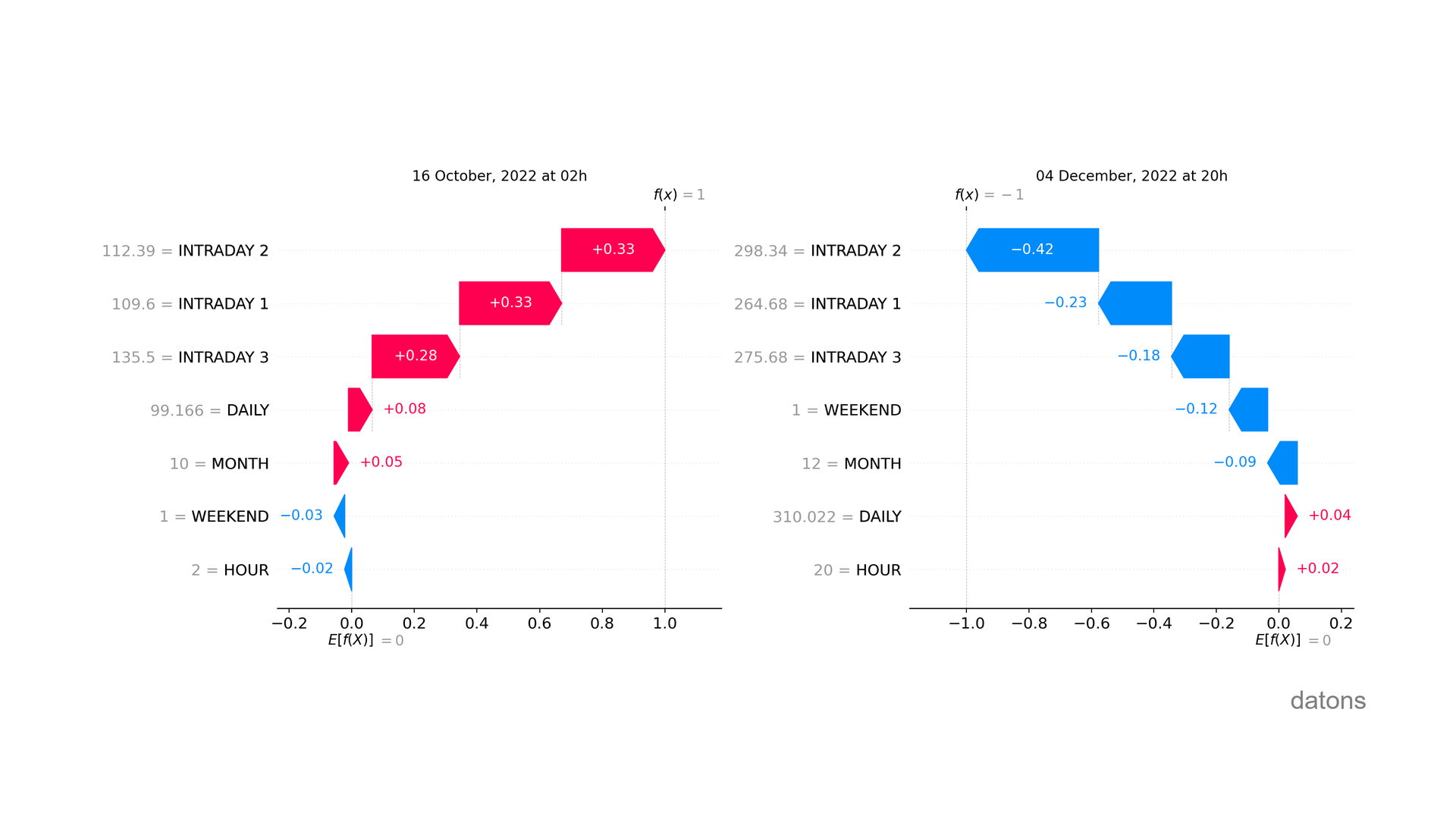
Explaining anomalies in energy markets with Machine Learning models
Discover how to explain the influence of explanatory variables in a Machine Learning model that detects anomalies using SHAP values.
Read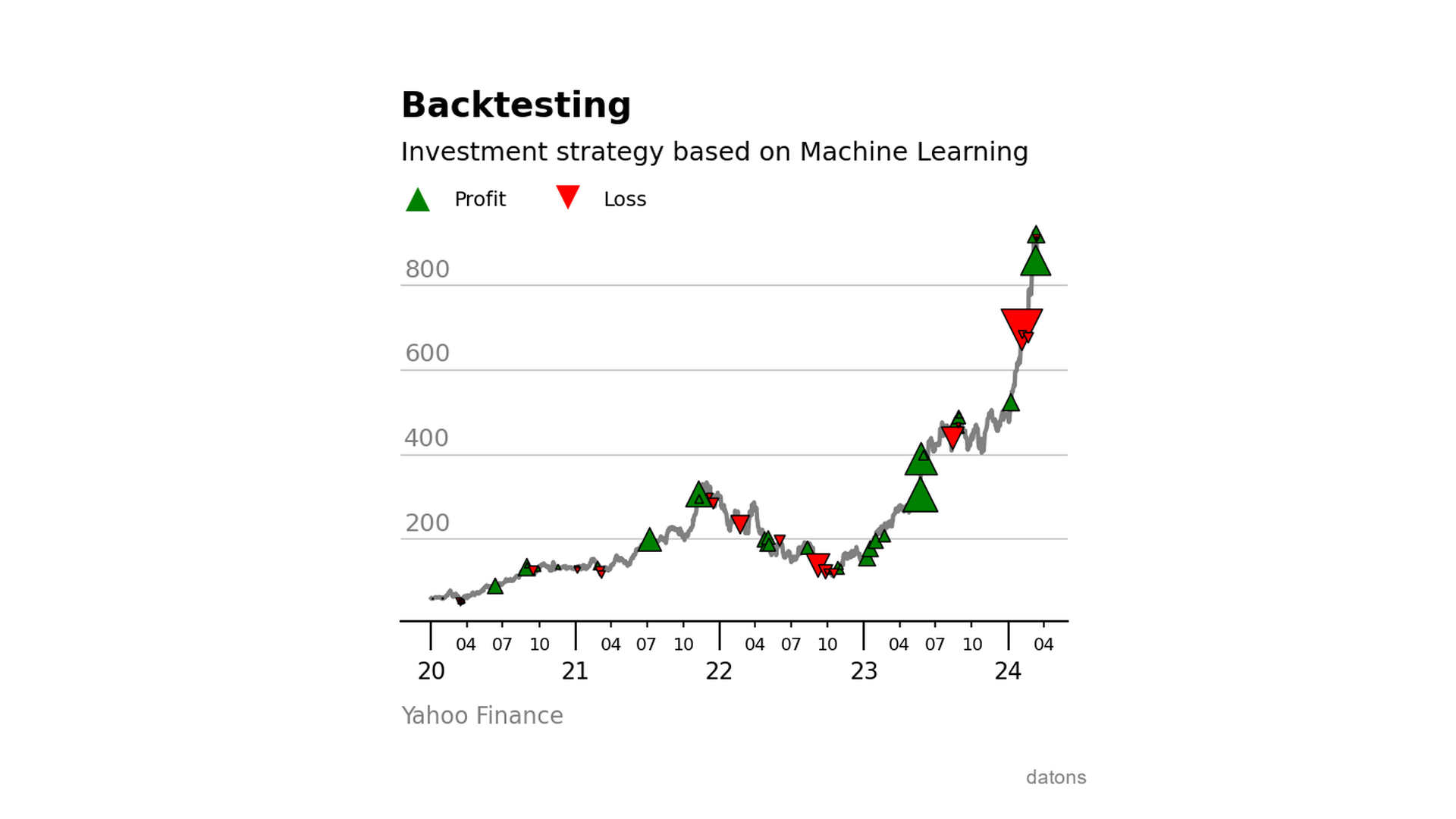
Backtesting with ML-based investment strategies
Learn to integrate a Machine Learning model into an investment strategy and evaluate its performance using the backtesting.py library with Python.
Read